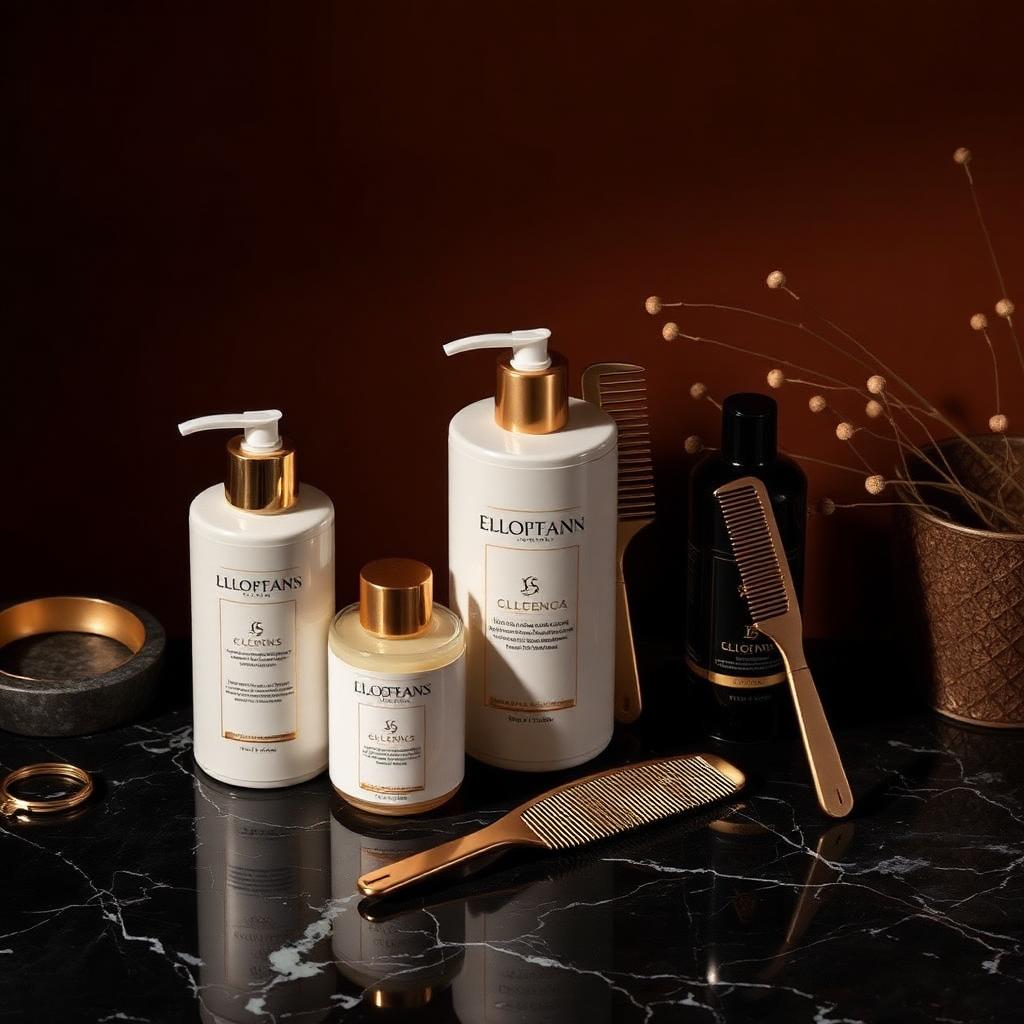
Why monsoon hair behaves differently
High humidity forces moisture into the hair shaft unevenly. Coarse and colour-treated hair swells and frizzes; fine hair goes limp and greasy. At the same time, damp scalps in an NCR monsoon are the perfect environment for fungal dandruff.
The fix isn't more washing — it's the right cleanse-and-seal balance, plus one professional treatment a month.
Wash smarter, not more often
Shampoo 3 times a week with a mild, sulphate-free cleanser. Concentrate the lather on the scalp only and let the run-off clean the lengths.
Always finish with conditioner from mid-length to tip, and rinse with the coolest water you can tolerate — it flattens the cuticle and cuts frizz instantly.
Never tie hair up wet
Damp hair tied in a bun traps moisture at the scalp for hours — the single biggest cause of monsoon itch, odour and dandruff. Towel-blot (don't rub), then air-dry or use a blow dryer on cool.
A microfibre towel or an old cotton t-shirt causes far less breakage than a terry towel.
Anti-frizz products that actually work
Apply a leave-in serum with dimethicone or argan oil to damp hair, not dry — it forms the humidity barrier before swelling starts.
Skip heavy hair oils overnight during monsoon; they combine with sweat and clog follicles. A 30–45 minute pre-wash oil massage is enough.
In-salon treatments worth booking
Hair Spa (monthly): deep hydration and scalp detox — the best all-round monsoon treatment.
Anti-dandruff scalp treatment: for persistent flaking and itch that shampoo alone isn't fixing.
Keratin or smoothening: if you fight frizz every single morning, one treatment buys you 3–5 low-effort months.
A simple weekly monsoon routine
Sunday: 30-minute warm oil massage, then shampoo and condition.
Wednesday and Friday: mild shampoo, conditioner, leave-in serum on damp hair.
Once a month: professional hair spa or scalp treatment at the salon.